01
Members establish direction
Members set valid priorities. Officers carry them out, explain their decisions, and remain accountable for the work.
INTERVIEW · COMPANION AUDIO BRIEFING
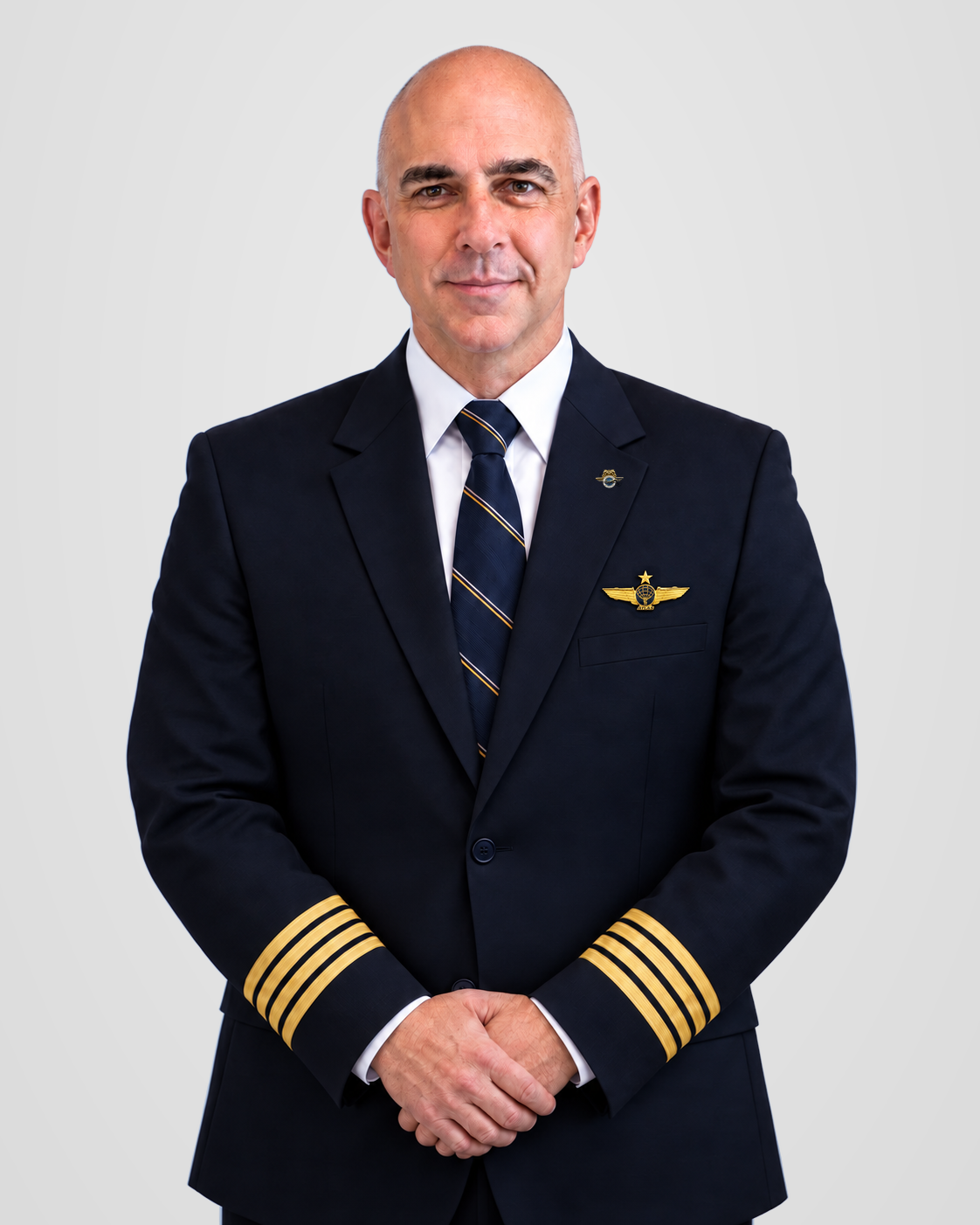
A practical interview with John Corcoran about who sets direction, where dues go, and what 2750 Members First proposes to change.
LISTEN FIRST. OR READ AT YOUR PACE.
Choose a topic below to cue the interview, then press play.
THE INTERVIEW IN THREE POINTS
Members set valid priorities. Officers carry them out, explain their decisions, and remain accountable for the work.
John proposes reducing officer compensation and using permanent staff for work that does not require pilot judgment.
Written bargaining priorities, clear responsibility for grievances, and a route to challenge poor handling.
INTERVIEWER ASKS. JOHN ANSWERS.
Transcribed from the supplied audio. Punctuation and clear transcription errors have been corrected. Use each timestamp to compare the text with the audio.
21 questions
Because it decides what the dues pay for and what the Local goes after. Members need a real say in that direction. Officers need to carry it out, and members have to stay involved enough to hold them accountable.
Officers should not be asked to approve something after it is already decided, and they should not have to micromanage every job assigned to an officer. Set the priorities, make officers answer for the work, and let them do the work in between.
Staff the departments, manage the money, and put the Local’s resources into representation.
We were hired to fly, and our pay comes from time away from home. John argues that a board office is a trust and should not become a paid exit from the job other pilots continue to perform.
No. John says capable people should be retained when they know how to do the work, regardless of whom they supported. The question is whether someone is doing the job they hold.
John points to approximately $1.89 million in total officer disbursements. Schedule 11 reports $1,625,128 in gross salary disbursements and $266,311 for official business, totaling $1,891,439.
Yes. John proposes reducing officer pay by $1.2 million through the bylaws process and lowering flight-pay-loss and union-business costs by assigning suitable work to salaried staff.
No. Pilots would remain involved in bargaining, pilot-specific grievances, and safety work. Staff would handle routine records, phones, bookkeeping, and daily office work that does not always require a pilot.
First, pursue the officer-pay reduction through the process in the bylaws. Then build permanent staffing as people are hired into appropriate roles, while keeping pilots where their experience is needed.
Earned income, including profit sharing, vacation payouts, and pay above guarantee. John notes that two pilots in the same seat can therefore pay different dues.
The proposal would limit the dues base to minimum guarantee while keeping the percentage at 1.56%. John contrasts the constitutional floor with the Local bylaws’ application to earned income.
No. John says changing the dues base requires a secret-ballot mail vote of the membership.
Members should first see the Local spend dues better. John proposes addressing officer pay and staffing before asking members whether dues should remain based on all earnings or move to guarantee.
The final vote does not establish the priorities negotiators were instructed to pursue. John says written member demands should become an authorized, ordered list with a record of how it was set.
Explain the change and obtain authorization. Tactics, fallback positions, and legal advice may remain confidential, but members should retain a role in the direction.
A member should not need a personal connection to obtain help. Someone should take the call, the file should have a responsible person, and the member should receive a clear assessment of whether the case has merit.
No. Cases with merit should be pursued, but no one can promise that every complaint will be filed, arbitrated, or won.
No. The Constitution, bylaws, contract, law, and powers assigned to officers set limits. A valid decision made within the membership’s authority should still be carried out.
Yes. If the proposal is properly made and within the membership’s authority, the process cannot depend on who brought it.
John answers that flying the operation, reading the bylaws, asking for authorized bargaining priorities, and building a usable grievance process are serious work. Being new does not qualify anyone by itself; readiness and accountability matter.
Read the proposals and the LM-2. Compare them with the Local’s record, discuss the case with pilots at your base and on your fleet, and remain involved beyond voting.
No matching questions. Try another word.
LISTEN. READ. CHECK THE RECORD.